Kids In Motion Movement
The Sixth Sense Nobody Is Talking About
How movement feeds the brain your child is starving for
Your child has a hidden sense that controls their focus, emotions, learning, and confidence — and modern life is quietly starving it. Kids in Motion Movement uses circus arts and vestibular science to feed it back.
The Sixth Sense -The Vestibular System
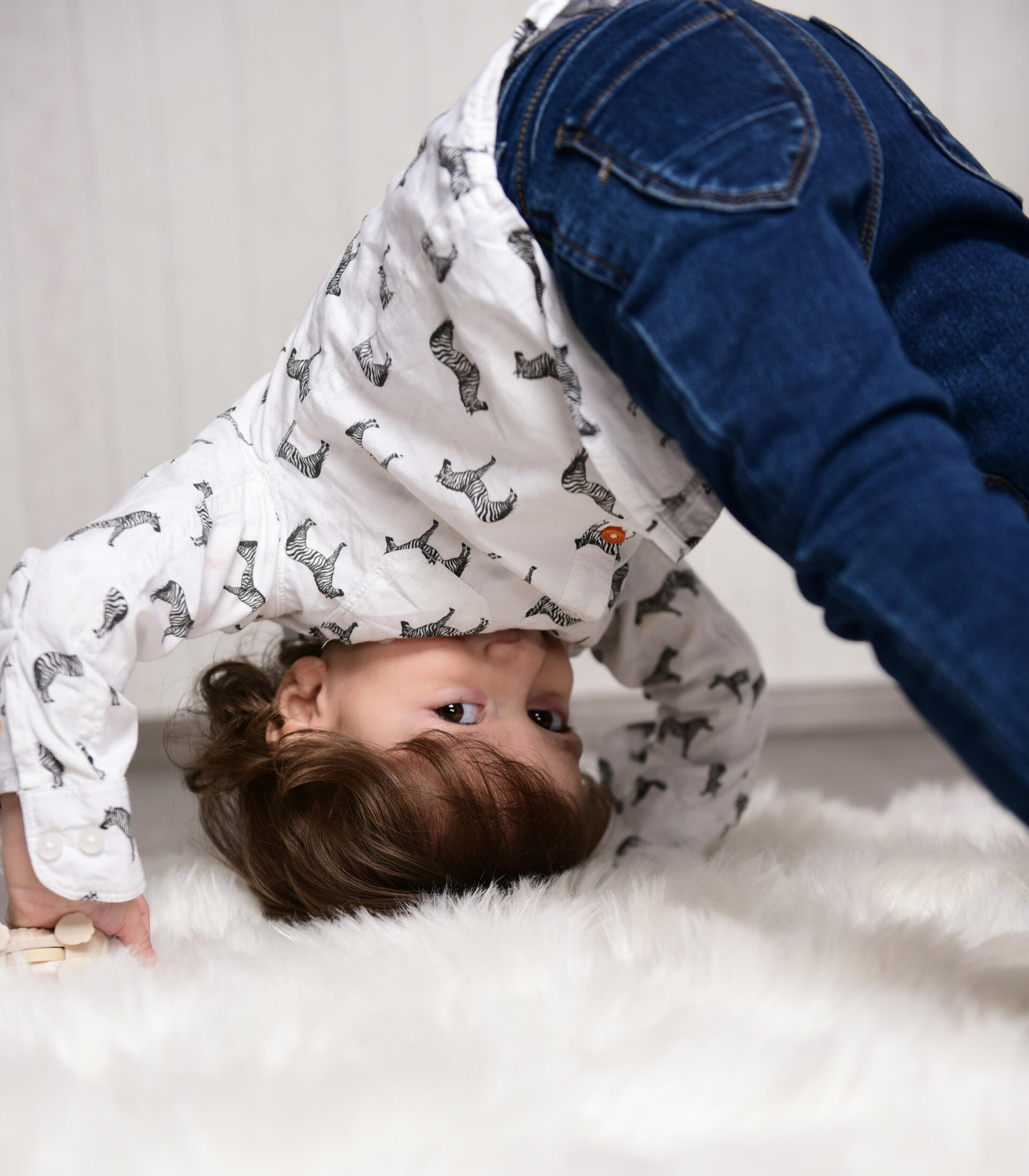
Most of us grew up learning we have five senses. There's a sixth — the vestibular system, housed in the inner ear — and it's the brain's master sensory processor. It's the first sense to develop in the womb, active by 16 weeks, before sight, sound, or touch.Spinning, swinging, tumbling, and unstructured physical play aren't recreational extras. They're neurological nutrition. When the vestibular system is well-fed, the nervous system regulates itself, the prefrontal cortex comes online, and focus, learning, and emotional control become possible. When it's under-fed — hours in a car seat, at a desk, on a couch — the brain runs on empty, and kids fidget, melt down, or can't focus, not because something is wrong with them, but because their bodies are asking for something.

That child who can't sit still isn't misbehaving. They're hungry.
WHY THIS APPROACH — WHY NOW
-> Children today average 7+ hours a day on screens and fewer than 60 minutes of unstructured active play — a complete reversal from a generation ago.
-> ADHD, childhood anxiety, and sensory processing challenges have all risen sharply over the same period that free play has declined.
-> The vestibular system is the least talked-about sensory system — yet it underlies nearly all the others.
->Parents are told their kids need medication, therapy, or intervention. Often, what they actually need is a playground.
A STORY (from the field)
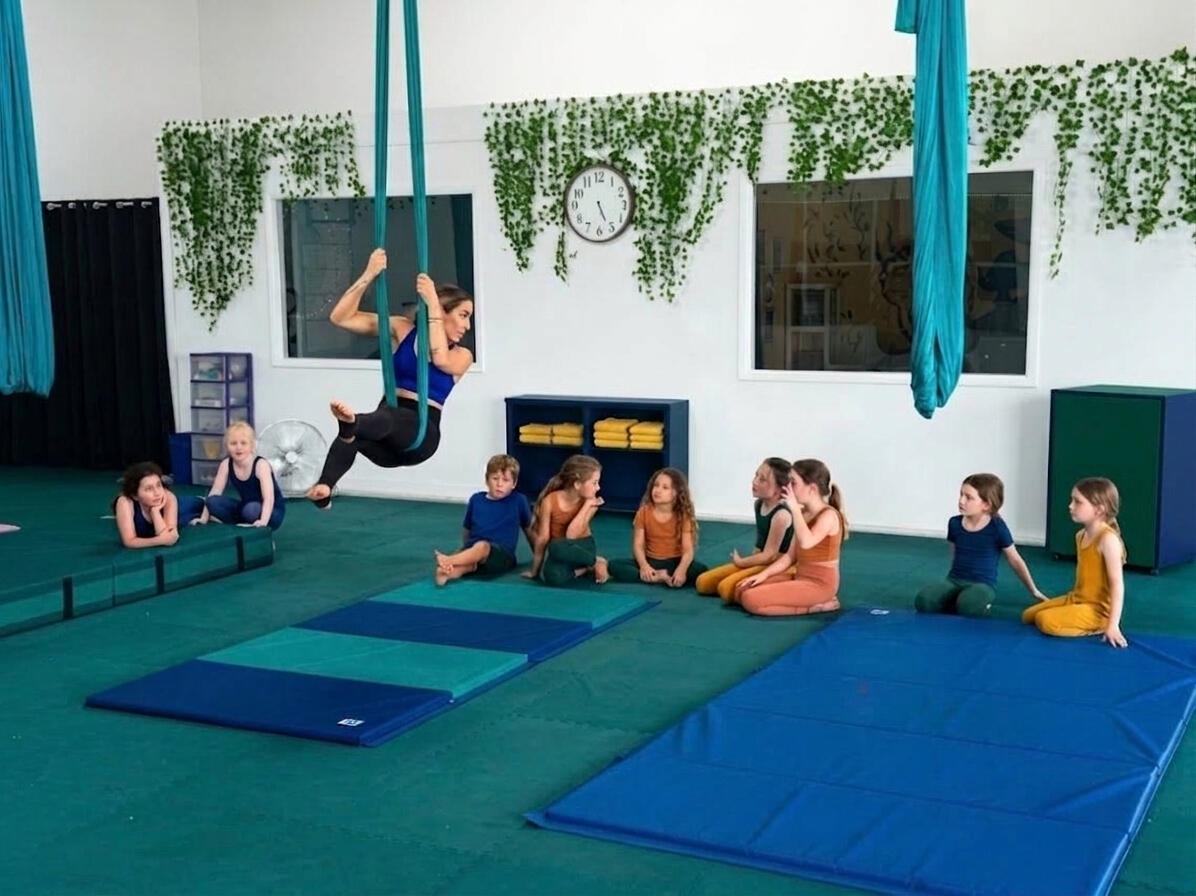
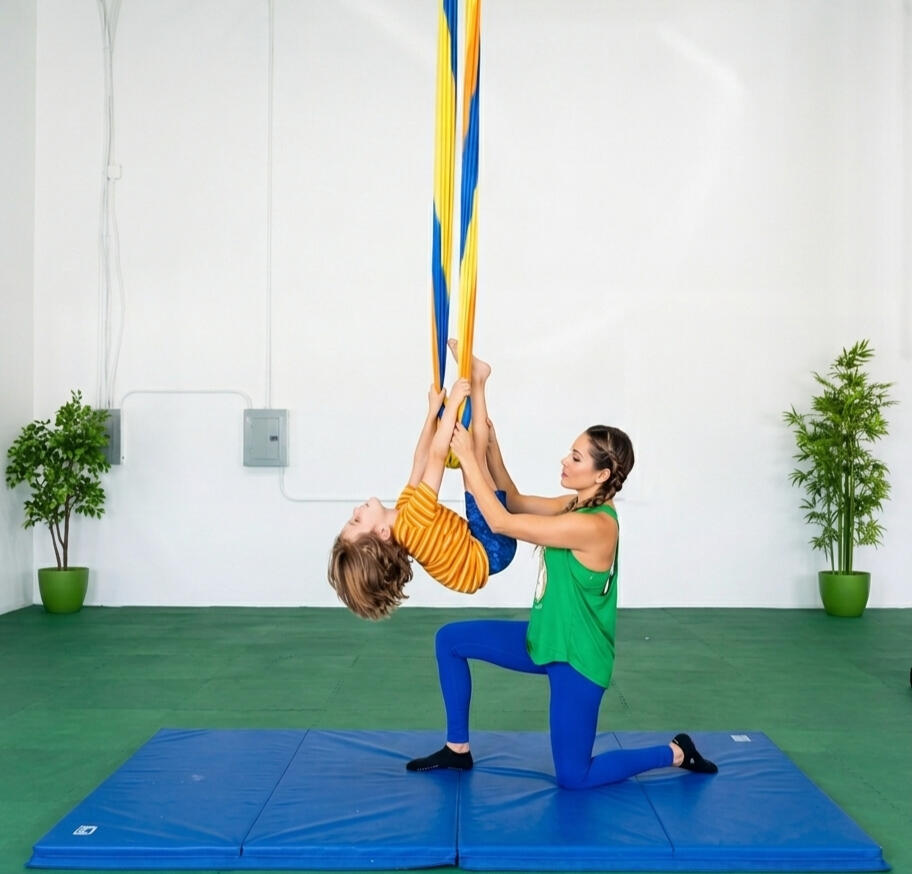
A boy — I'll call him Marcus — walked into my circus space bouncing on his toes, already running before his mother had finished signing the waiver. His mother's face told me everything: the brace for impact, the quiet exhaustion of having a child the world keeps telling you is "too much."We played. We built human pyramids. We moved to the aerial hammock, where I helped him invert, gently spin, and — for the first time that hour — settle.When class ended, Marcus walked over to his mother, hugged her, sat down, and put on his shoes. Quietly. Both of them, for a moment, completely still.It didn't take a diagnosis. It didn't take a prescription. It took a hammock, a spin, and permission to be exactly who he was.A regulated child means a calmer parent.
WHAT KIDS IN MOTION OFFERS
The Circus Brain Method turns circus arts into a structured, developmentally-grounded movement program — built around how children's vestibular and sensory systems actually work, not a generic activity list.
The program is organized around three core states every child moves through:
The three core states every child moves throughCalming — For the dysregulated, anxious, or overwhelmed child.
Tools: log rolling, hammock swinging, slow trapeze, balance beam walking.Alerting — For the sluggish, under-responsive, or inattentive child.
Tools: spinning, jumping, bouncing, cartwheels, jump rope rhythms.Organizing — The sweet spot: sustained attention, coordination, and regulation together.
Tools: juggling patterns, partner balancing, obstacle courses, hula hoop sequences.
Parents and educators learn not just activities, but how to read a child's nervous system in the moment — and adjust accordingly.What's included:
->A foundation in how the vestibular system affects attention, mood, and learning — explained without the jargon
->Tools to identify whether a child is under-responsive (seeking more input) or over-responsive (avoiding it)
->20+ circus-based activities organized by calming, alerting, and organizing needs
->A weekly movement plan families can actually stick to
->Ongoing group coaching and community support
SIGNS TO LOOK FOR(Not a diagnosis — an invitation to look closer)
The vestibular system isn't something you can see directly — it's something you observe through movement, behavior, and learning. These are meant as gentle green-flag / red-flag signals, not clinical assessments.Signs of a well-developed vestibular system may include: moving with ease and confidence, recovering quickly from spinning or dizziness, transitioning smoothly between movement and stillness, and using movement instinctively to self-regulate.Signs a child's vestibular system may need more support generally fall into two patterns:-> Under-responsive (seeking more): the system isn't getting enough input, so the child seeks out intense movement — constant motion, crashing into things, climbing everything in sight — to feel regulated.
-> Over-responsive (avoiding): the system is overwhelmed, so the child avoids movement — resisting swings, heights, or spinning — as a protective response.
WHO THIS IS FOR:
* Parents wondering why their child can't sit still, melts down easily, or avoids movement
* Educators looking to understand what a child's body is communicating in the classroom
* Anyone who wants movement-based, developmentally grounded support — not another screen-time replacement
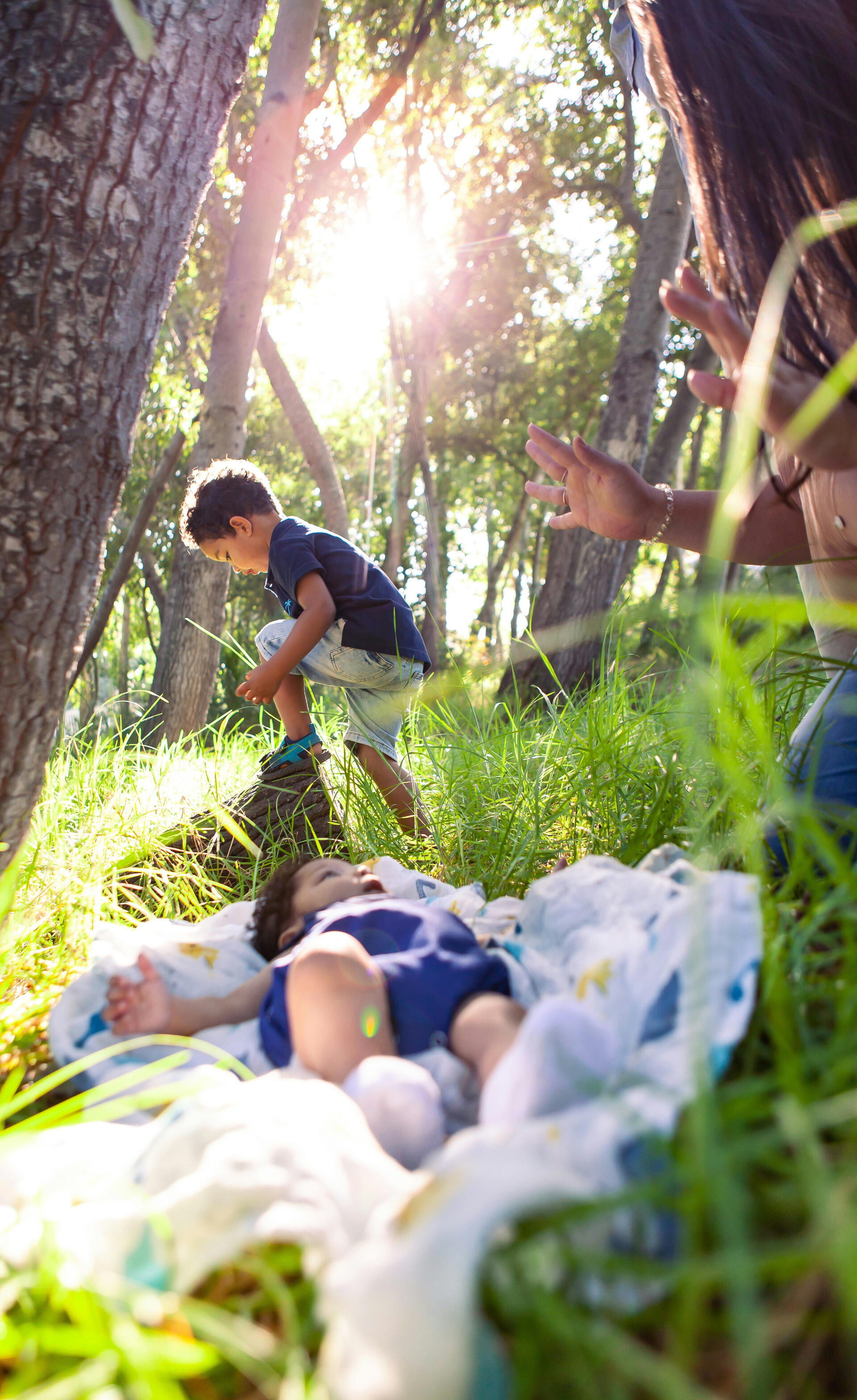
That child spinning in the grass, arms out, laughing?
They're not wasting time. They're doing the most important work of their life.Feed their sixth sense. Watch everything else follow.

Bella Maia
Founder & Chief Visionary
Bella Maia is the founder of Kids in Motion Movement, blending circus arts and vestibular science into programs for kids, parents, and educators. A Cirque du Soleil–certified Social Circus instructor with 25+ years of international performance and coaching experience — from cruise ships and theme parks to Super Bowl after-parties and a record-setting run as an aerial "wine angel" in Las Vegas — Bella has spent the last decade focused on how movement builds children's focus, confidence, and emotional regulation. She specializes in pediatric movement and vestibular coaching. Fluent in English, Portuguese, Spanish, and Italian, she brings a rare blend of artistry, science, and warmth to every room she's in.
Ready to feed your child's sixth sense?
Whether you're a parent noticing your child can't sit still, an educator wanting to bring movement into the classroom, or you're just curious about the vestibular system — reach out. I'm happy to answer questions, talk through what your child might need, or set up a first session.
© Untitled. All rights reserved.
Thank you
Thank you for visiting.
This site is a small window into 25 years of circus, movement, and connection across the world — and I'd love for you to be part of the next chapter.